
Cart
0
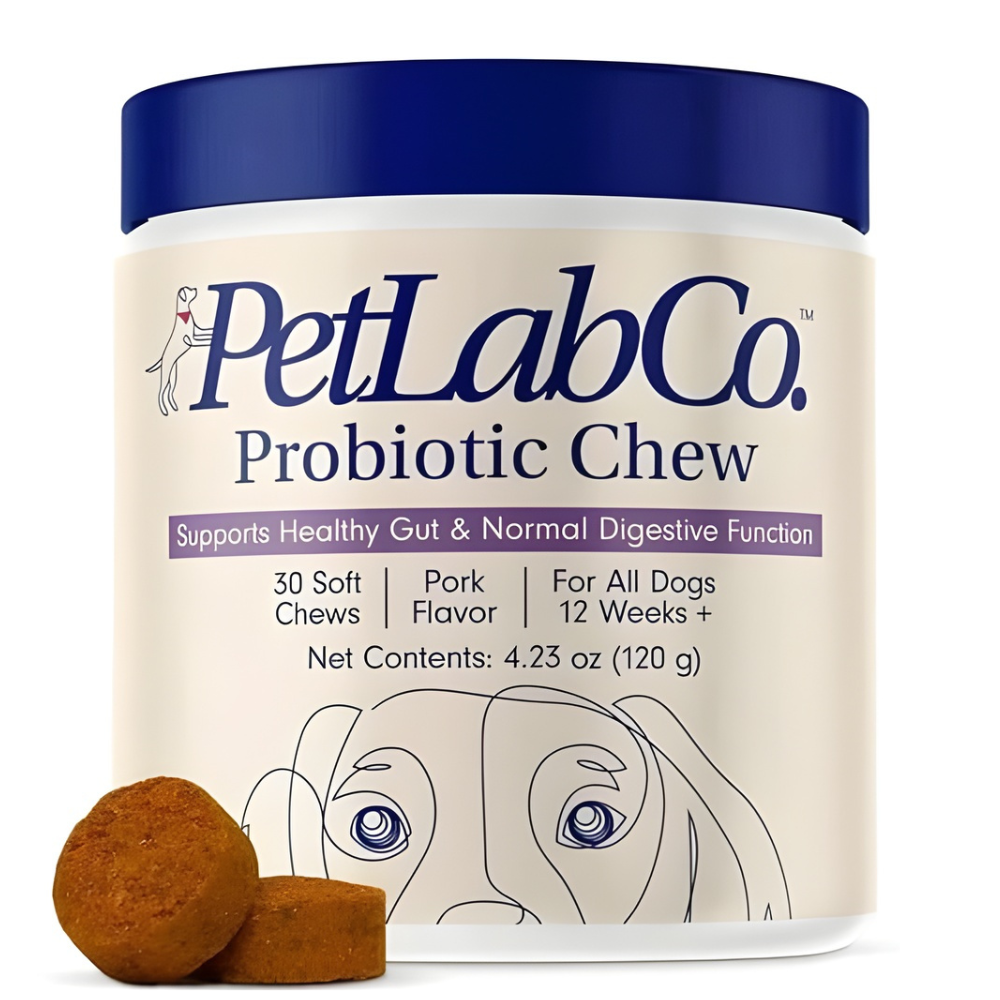
How to Choose Probiotic Soft Chews for Dogs: A Practical Guide
Walk down the pet supplement aisle and you'll find no shortage of probiotic soft chews for dogs, each with different ingredients, flavors, and serving instructions. For dog owners trying to compare options, it's not always obvious what actually separates one product from another. This guide walks through the practical details worth reviewing before choosing a chewable dog supplement, so you can make a well-informed decision for your dog.
What Are Probiotic Soft Chews for Dogs?
Probiotic soft chews for dogs are a category of chewable dog dietary supplements formulated in an easy-to-give, treat-like format. Like other dog supplements, formulations, ingredients, and serving sizes vary significantly between products, so it's worth reviewing the specific label of any product you're considering rather than assuming all probiotic chews are alike.
These products are generally intended to be given as part of a dog's overall daily routine rather than used as a substitute for veterinary care or a balanced diet.
Why Choose a Soft Chew Format?
Many pet owners prefer soft chews over powders, capsules, or liquid supplements simply because of convenience. A soft chew format can offer:
- Ease of use — soft chews can often be given directly by hand or added to a meal.
- Palatability — flavored chews, such as pork-flavored options, may be easier to offer to dogs who are picky about taste or texture.
-
Consistency — a pre-measured chew makes it simpler to keep track of servings compared to loose powders.

That said, texture and flavor preferences vary by dog, so it may take some trial and observation to see how your dog responds to a particular chew format.
What to Look for in Probiotic Dog Chews
Before adding any chewable dog supplement to your cart, here are the practical details worth checking:
Ingredient Transparency
Look for a product that clearly lists all ingredients, rather than relying on vague front-of-package claims.
Serving Information
Check how many chews make up a recommended daily serving, since this varies by product and sometimes by the dog's size.
Recommended Age
Many chew products list a minimum age recommendation — for example, some are labeled for dogs 12 weeks and older. Always confirm the product is appropriate for your dog's life stage.
Chew Count
Containers vary in the total number of chews included, which affects how long a container will last based on the serving size.
Flavor
Flavor can influence whether your dog readily accepts the chew. Common options include flavors like pork, chicken, or peanut butter.
Storage Instructions
Soft chews often have specific storage guidance to help maintain freshness and quality over time.
Manufacturer Information
Clear manufacturer contact details on the label can be helpful if you have questions about a specific product.
Product Warnings
Review any warnings or cautionary statements printed on the label before introducing a new supplement.
Why Reading the Ingredient Label Matters
The full ingredient list is one of the most useful tools for comparing probiotic dog chews. Rather than relying on marketing language, the ingredient list tells you exactly what's included.
Reviewing the ingredient label allows you to:
- Compare formulations across different products
- Identify ingredients that may not align with your dog's dietary needs
- Avoid ingredients you may want to steer clear of for your specific dog
- Make a more informed purchasing decision overall
A label that's specific and easy to understand is generally a good indicator of a transparent product.
Understanding Serving Size and Chew Count
It's tempting to compare products based on container size or price alone, but serving size and total chew count give a clearer picture of value and actual usage. For example, a container listing 30 chews is only useful information once you know the recommended daily serving for your dog.
Before purchasing, consider:
- How many chews make up one recommended serving
- How many total chews are included in the container
- How long the container is likely to last based on your dog's serving needs
Comparing these figures across products — rather than judging by packaging size alone — gives a more accurate sense of what you're actually buying.
Choosing the Right Supplement for Your Dog's Routine
Every dog is different, and choosing a chewable supplement should take your individual dog's needs into account. A few factors to think through:
-
Age — Confirm the product's recommended age range matches your dog's life stage.

- Size and serving needs — Larger and smaller dogs may have different serving recommendations; always follow label directions.
- Dietary sensitivities — If your dog has known food sensitivities, review the full ingredient list carefully.
- Existing routine — Consider how a new chew will fit alongside your dog's current diet and any other supplements.
- Storage — Follow label instructions to help maintain the product's quality, especially with soft chew formats that can be sensitive to heat or moisture.
Because directions and formulations vary between products, always default to what's printed on your specific product's label.
How to Read a Dog Supplement Label
A simple checklist can make comparing dog supplement labels easier:
- Ingredients — What is included, and in what form?
- Serving directions — How many chews are recommended, and how often?
- Recommended age — What is the minimum age listed for use?
- Warnings — Are there any specific cautions noted?
- Storage — How should the product be stored to maintain quality?
- Net contents — What is the total weight or chew count in the container (for example, 4.23 oz / 120 g)?
- Manufacturer information — Is there clear contact information available?
Running through this checklist for each product under consideration makes for a more consistent, objective comparison.
Questions to Ask Before Buying Probiotic Dog Chews
Before purchasing, it can help to ask the following questions — and know what to look for when answering them.
What ingredients are included, and are they clearly listed? Check the label for a complete, specific ingredient list rather than general marketing terms. A transparent label makes it easier to compare products and confirm there's nothing that conflicts with your dog's dietary needs.
What is the recommended serving for my dog's size? Serving recommendations can vary based on a dog's size or weight. Review the label's directions carefully, and if serving guidance isn't clear for your dog's size, consider checking with a veterinarian.
How many chews are included in the container? Compare the total chew count (for example, 30 chews per container) against the recommended daily serving to estimate how long the container will last.
What age range is the product labeled for? Confirm the minimum age listed on the label — for instance, some soft chews are labeled for dogs 12 weeks and older — and make sure it matches your dog's current life stage.
How should the product be stored? Soft chews can be sensitive to heat and moisture, so following the label's storage instructions helps maintain the product's intended quality until it's used.
Are there any warnings or special instructions I should know about? Read through any cautionary statements on the label, as these may be relevant depending on your dog's individual health circumstances.
Should I speak with a veterinarian before introducing this to my dog's routine? This is especially worth doing if your dog has an existing health condition, is on medication, is a puppy, or is pregnant or nursing. A veterinarian can advise whether a particular supplement is appropriate for your dog's specific needs.
Taking a few minutes to work through these questions can help ensure the product you choose is genuinely appropriate for your dog.
Final Thoughts
Choosing probiotic soft chews for dogs comes down to comparing practical, verifiable details: ingredient transparency, serving size, chew count, age recommendations, and clear labeling. Since every dog's needs and circumstances are different, a chewable supplement is best considered as one part of a broader daily wellness routine rather than a stand-alone solution. If you have questions about whether a particular product is appropriate for your dog, reviewing the full label and speaking with a qualified veterinarian are the most reliable next steps.