
Cart
0
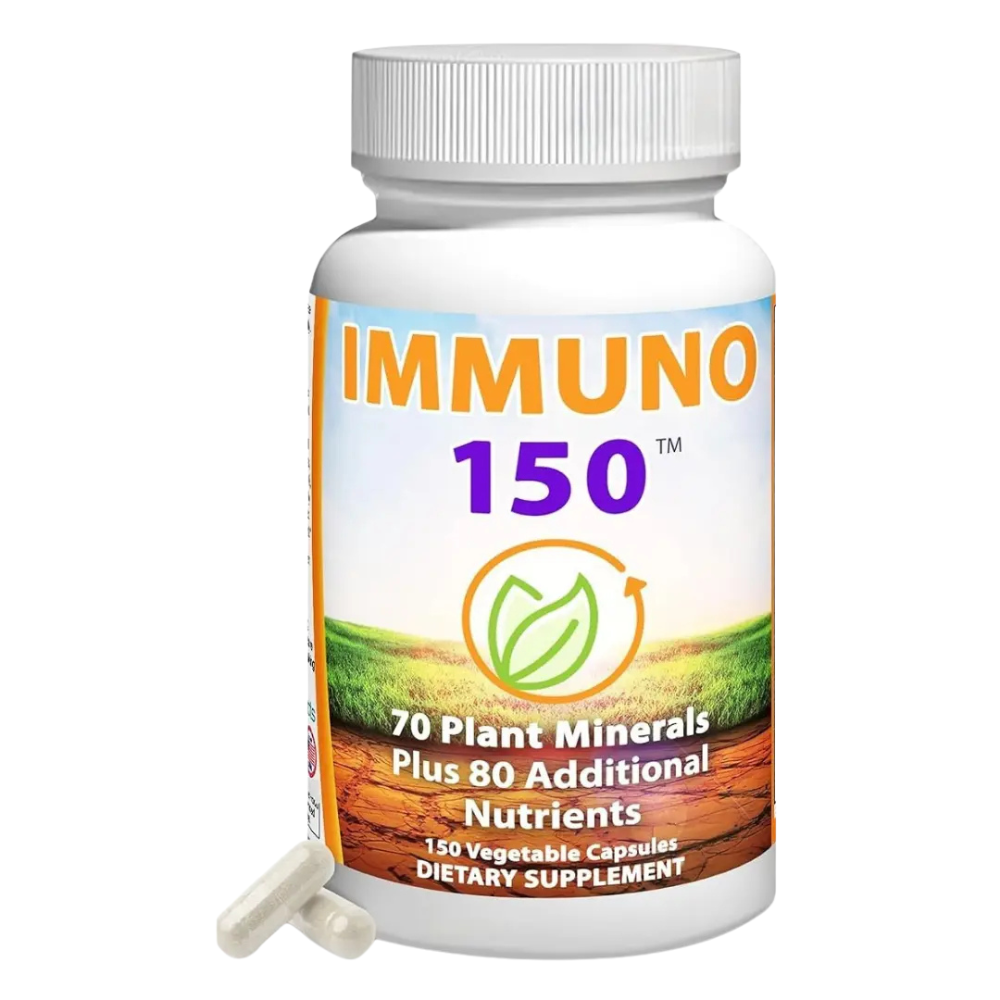
How to Choose an Immuno 150 Dietary Supplement: A Practical Guide for Everyday Routines
With so many dietary supplements available — different formats, ingredients, and serving sizes — choosing the right one can feel more complicated than it needs to be. This guide breaks down the practical factors worth reviewing before adding an Immuno 150 dietary supplement to your daily routine, so you can make a decision based on facts rather than front-of-package claims.
What Is an Immuno 150 Dietary Supplement?
An Immuno 150 dietary supplement is a product intended to supplement the diet, typically containing ingredients such as vitamins, minerals, or other nutrients. Dietary supplements come in many forms and are generally meant to be taken regularly as part of a person's broader daily routine.
Because formulations, serving sizes, and directions vary significantly between products, it's worth reviewing the specific label of any dietary supplement you're considering rather than assuming all products in the category are the same.
What to Look for When Choosing a Dietary Supplement
Before adding a new supplement to your routine, here are the practical details worth checking:
Ingredient Transparency
Look for a product that clearly lists every ingredient, rather than relying on vague front-of-label descriptions.
Serving Size
Check how much product — whether that's capsules, tablets, or another measure — makes up the recommended daily serving.
Product Format
Dietary supplements are available in different formats, and the right one often comes down to personal preference.
Total Quantity
Products are packaged with a set amount, which affects how long a supply is likely to last based on the recommended serving.
Directions for Use
The label's directions describe how the manufacturer intends the product to be taken. Following these directions, rather than adjusting the amount, is the most reliable approach.
Other Ingredients
Beyond the primary active ingredients, labels also list other ingredients, such as fillers, binders, or capsule material.
Dietary Information
Some products note dietary details, such as whether they're formulated without common allergens. Check the label if this is relevant to your needs.
Warnings
Review any warnings or cautionary statements before starting a new supplement.
Storage Instructions
Proper storage, as described on the label, helps maintain a product's intended quality over time.
Manufacturer Information
Clear manufacturer contact details on the label can be useful if you have questions about a specific formulation.
Why Reading the Supplement Label Matters
The Supplement Facts panel and full ingredient list are the most reliable sources of information about any dietary supplement, including an Immuno 150 dietary supplement. Rather than relying on promotional language, this label information tells you exactly what a product contains and how it's intended to be used.
Reviewing the label before purchasing allows you to:
- Compare formulations across different products
- Identify ingredients that may or may not align with your dietary preferences
- Understand the recommended serving and directions
- Make a more informed purchasing decision overall
Understanding Ingredients and Serving Size
It's easy to judge a supplement based on its front-label description alone, but the ingredients and serving size tell a more complete story. Two products with similar packaging can have very different formulations or serving requirements.
Before purchasing, consider:
- What ingredients are included, and in what amounts
- How many capsules, tablets, or servings make up the recommended daily amount
- How that serving size aligns with your daily routine
Comparing these specific details — rather than relying on general impressions — gives you a more accurate picture of what you're actually purchasing.
Different Types of Dietary Supplements
Dietary supplements come in a range of formats, and the most suitable one often depends on personal preference:
- Capsules — a common format that's generally easy to swallow and measure.
- Tablets — often compact and shelf-stable.
- Softgels — a gel-based capsule format sometimes used for certain formulations.
- Gummies — a chewable option some people find easier to incorporate into a routine.
- Powders — typically mixed into water or another beverage.
- Liquid supplements — measured and taken directly or mixed into a drink.
Each format has its own directions for use, so always check the specific product label rather than assuming all formats are used the same way.
Building a Simple Daily Supplement Routine
For those who choose to add an Immuno 150 dietary supplement to their routine, consistency tends to matter more than precise timing. A few practical approaches some people use include:
- Pairing it with an existing habit, such as a meal, to make it easier to remember.
- Following the serving directions on the label exactly as written, rather than adjusting the amount.
- Storing the product properly, according to label instructions, to help maintain quality.
- Using a pill organizer or reminder if managing more than one supplement.
Following the manufacturer's directions — rather than a personalized dosage — is the safest and most consistent approach for any dietary supplement.
How to Compare Dietary Supplements
When comparing dietary supplements, focus on details you can verify rather than marketing claims:
- Ingredients — What's actually included, and in what amounts?
- Serving information — How much product makes up one recommended serving?
- Product quantity — How much total product is included, and how long is it likely to last?
- Format — Capsule, tablet, gummy, powder, or liquid — whichever suits your preference?
- Label transparency — Is the information clear, specific, and complete?
- Dietary preferences — Does the formulation align with any dietary needs you have?
- Directions and warnings — Are the instructions and any cautionary notes easy to understand?
Comparing products on these concrete factors gives you a more reliable basis for choosing between options than relying on packaging alone.
Questions to Ask Before Buying an Immuno 150 Dietary Supplement
What ingredients are included? Check the label for a full, specific ingredient list rather than relying on general front-of-package descriptions.
Are the ingredient amounts clearly listed? A transparent label should specify not just which ingredients are included, but the amount of each one per serving.
What is the recommended serving size? Review the directions to see how much product is recommended per day, and follow that guidance rather than estimating.
How much product is included? Compare the total quantity against the recommended serving size to estimate how long the supply will last.
What form does the supplement come in? Consider whether a capsule, tablet, gummy, powder, or liquid format best fits your preferences and routine.
Are there any warnings or usage instructions? Review the label for cautionary statements relevant to your circumstances.
How should it be stored? Check the label for specific storage guidance to help maintain the product's quality.
Does it fit my dietary preferences? Check whether the formulation aligns with any dietary needs or preferences you have.
Should I speak with a healthcare professional before using it? This is generally recommended if you're pregnant, nursing, taking medication, managing an existing health condition, or otherwise unsure whether a supplement is a good fit for your circumstances.
Final Thoughts
Choosing an Immuno 150 dietary supplement comes down to reviewing the details that actually matter: ingredient transparency, serving size, product format, and clear label information. Since individual needs and preferences vary, a dietary supplement is best considered as one part of a broader daily routine rather than a stand-alone solution. Reading the complete label — and speaking with a qualified healthcare professional if you have questions — remains the most reliable way to choose a supplement that genuinely fits your needs.