
Cart
0
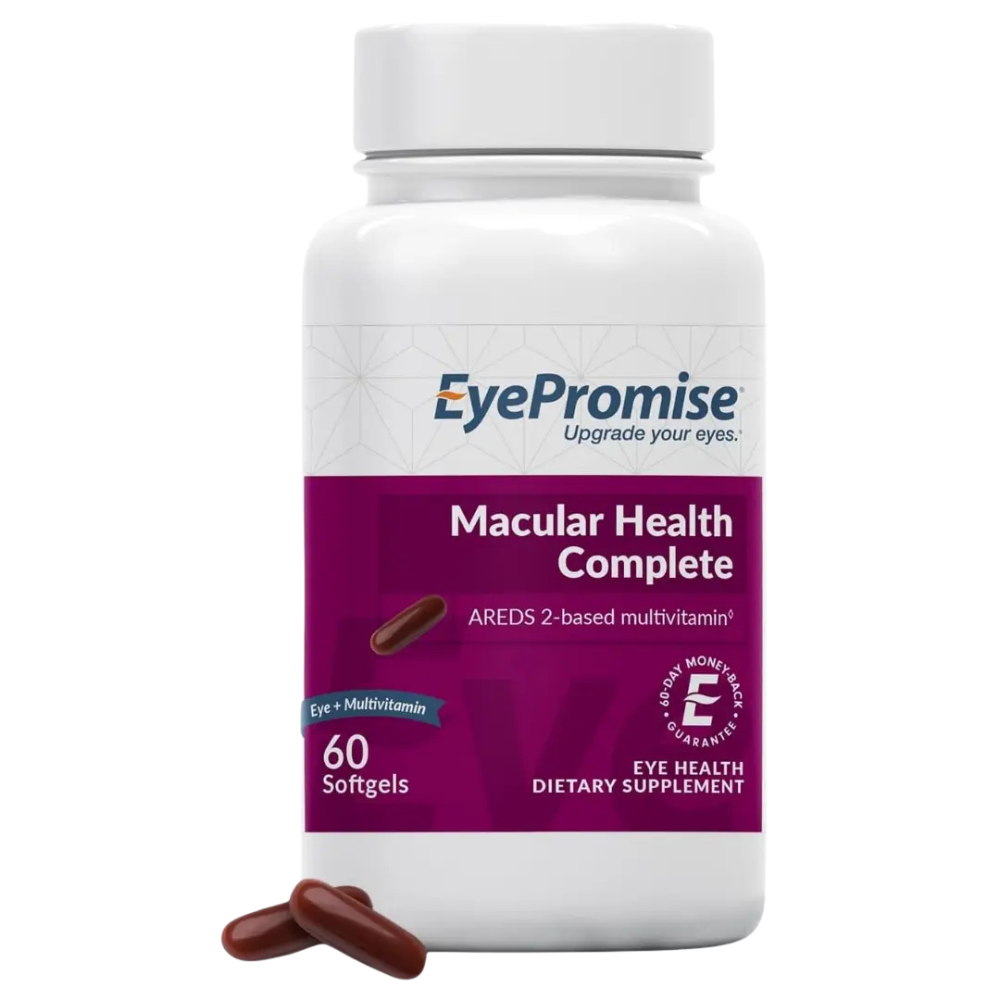
Restore – Eye Health Supplement, 60 Softgels: What to Know Before You Buy
Eye-focused dietary supplements have become a popular category for people looking to add targeted nutritional support to their daily routine. If you've come across Restore – Eye Health Supplement, 60 Softgels and are trying to understand what it actually is, what's in it, and how to use it, this guide walks through the details in plain, factual language — without the marketing spin.
What Is Restore – Eye Health Supplement, 60 Softgels?
Restore – Eye Health Supplement, 60 Softgels is a dietary supplement formulated in a softgel format, packaged with a 60-softgel supply. As a dietary supplement, it's intended to be one part of an overall daily routine, not a medical treatment or a substitute for professional eye care.
Like any dietary supplement, the most accurate source of information is the current product label, since formulations and labeling can be updated by manufacturers over time. The overview below reflects the listed formulation and directions at the time of writing.
What's Included in the Formula?
According to the listed formulation, Restore – Eye Health Supplement includes the following components:
- Zeaxanthin — a carotenoid, which is a type of naturally occurring pigment compound found in certain plants and foods.
- Lutein — another carotenoid, often grouped together with zeaxanthin in nutritional discussions since both belong to the same broader category of plant pigments.
- Vitamin C — a water-soluble vitamin commonly included in a wide range of dietary supplements.
- Vitamin D3 — a fat-soluble vitamin, one of several forms of vitamin D used in dietary supplements.
- Vitamin E — a fat-soluble vitamin also frequently included in multi-ingredient supplement formulations.
- Zinc — an essential mineral included in many general and targeted dietary supplements.
- Omega-3 fatty acids, including EPA and DHA — types of polyunsaturated fats commonly sourced from fish oil or algae-based ingredients in supplement formulations.
- Alpha-lipoic acid — a naturally occurring compound sometimes included in dietary supplement formulations.
- CoQ10 — short for coenzyme Q10, a compound found in various supplement products.
Each of these ingredients is a recognized component used across many dietary supplement categories. This overview is intended as general nutritional context, not as a description of any specific outcome or benefit tied to this particular formulation.
Understanding the Supplement Facts
When comparing any dietary supplement — including an eye-focused product like this one — the Supplement Facts panel is the most reliable source of information. It's worth paying attention to:
- Serving size — how much product (in this case, softgels) makes up one recommended serving.
- Ingredient amounts — the specific quantity of each listed ingredient per serving.
- Directions — how the manufacturer recommends taking the product.
- Other ingredients — non-active ingredients used in the softgel itself, such as the capsule shell material.
Reviewing this information directly on the product label, rather than relying on general assumptions, gives you the clearest and most current picture of what you're purchasing.
Why the Softgel Format Matters
Softgels are a common dietary supplement format, and they come with a few practical characteristics worth considering:
- Convenience — softgels are generally easy to swallow and can be simple to incorporate into an existing routine.
- Serving consistency — a pre-measured softgel makes it straightforward to track how much you're taking, compared to loose powders.
- Routine fit — since the listed directions call for one softgel with a meal, this format may fit naturally alongside an existing daily meal habit for some people.
As with any format, whether softgels are the right fit comes down to personal preference and how easily they integrate into your day.
How to Use Restore – Eye Health Supplement
According to the listed directions, adults are directed to take 1 softgel with a meal daily, or as directed by an eye-care professional.
A few general points to keep in mind:
- Always follow the current directions printed on the product label, since packaging information may be updated over time.
- Taking the softgel with a meal, as directed, may simply reflect a standard recommendation for this type of formulation.
- If you have specific questions about how this product might fit your individual routine, an eye-care professional can offer guidance based on your circumstances.
What Should You Look for When Choosing an Eye-Focused Supplement?
Whether you're considering this product or comparing it to others, here's a practical checklist:
- Ingredient transparency — Are all ingredients clearly listed, including inactive ingredients?
- Serving size — How many softgels or capsules make up one recommended serving?
- Ingredient amounts — Are specific amounts per serving provided on the Supplement Facts panel?
- Supplement format — Softgel, capsule, tablet, or another format — whichever suits your preference?
- Label directions — Are the directions for use clear and easy to follow?
- Warnings and precautions — Does the label include any cautionary statements relevant to your circumstances?
- Storage information — Are there specific instructions for maintaining the product's quality?
- Manufacturer/product-label information — Is there clear contact information available on the label?
Comparing products against this checklist, rather than relying on marketing claims, gives you a more objective way to evaluate your options.
Who Should Read the Label Carefully?
Every adult considering a dietary supplement should take the time to review the complete product label before use. This is especially important for:
- People who are pregnant or lactating
- People managing an existing health condition
- People currently taking medication
In these situations, it's advisable to consult an appropriate healthcare professional — such as a doctor, pharmacist, or eye-care professional — before adding a new dietary supplement to your routine.
Frequently Asked Questions About Restore – Eye Health Supplement, 60 Softgels
What is Restore – Eye Health Supplement, 60 Softgels? It's a dietary supplement formulated in softgel form, packaged with a 60-softgel supply, intended as one part of a broader daily wellness routine.
How many softgels are included? The product is packaged with 60 softgels per container.
What ingredients are listed in Restore? The listed formulation includes zeaxanthin, lutein, vitamin C, vitamin D3, vitamin E, zinc, omega-3 fatty acids (including EPA and DHA), alpha-lipoic acid, and CoQ10.
Does Restore contain lutein and zeaxanthin? Yes, both lutein and zeaxanthin are listed as components of the formulation.
Does Restore contain omega-3 fatty acids? Yes, the listed formulation includes omega-3 fatty acids, specifically EPA and DHA.
How many softgels are listed as the daily serving? According to the listed directions, adults are directed to take 1 softgel daily.
Should Restore be taken with food? The listed directions state that adults should take 1 softgel with a meal daily, or as directed by an eye-care professional.
How should the product be stored? Specific storage instructions are provided on the product label. Always follow the current label guidance to help maintain the product's quality.
Who should consult a healthcare professional before using the product? Anyone who is pregnant or lactating, managing an existing health condition, or taking medication should speak with an appropriate healthcare professional before use.
What should I check on the product label before use? Review the Supplement Facts panel, serving size, complete ingredient list, directions for use, any warnings, and storage instructions before using the product.
Final Thoughts
Restore – Eye Health Supplement, 60 Softgels is a softgel-format dietary supplement with a listed formulation that includes zeaxanthin, lutein, several vitamins, zinc, omega-3 fatty acids, alpha-lipoic acid, and CoQ10. As with any dietary supplement, the most reliable way to understand what a product offers is to review its complete label — the Supplement Facts panel, serving size, ingredient amounts, and directions for use. A dietary supplement like this one is best considered as one part of an overall wellness routine, alongside a balanced diet and regular professional eye care, rather than a stand-alone solution. If you have questions about whether this product is appropriate for your circumstances, an eye-care professional or other qualified healthcare provider is the best resource.